

Preparing a luxury property today means more than surface-level upgrades or polished staging. Instead, buyers expect clarity, comfort, and consistency across every space, which defines how homes meet elevated buyer expectations of today’s buyers. Because perception forms quickly, each decision shapes judgment, from finishes to layout flow. As a result, even subtle inconsistencies can weaken interest. Sellers who plan carefully protect their value while reducing the time on the market. At the same time, a structured approach prevents unnecessary upgrades that dilute return. Ultimately, luxury buyers recognize the value of planning before questions arise. This early impression often determines how seriously a buyer engages.
Understanding the Priorities of Discerning Buyers
Luxury buyers evaluate homes through lifestyle fit rather than impulse. For this reason, ultra-luxury property investors prioritize long-term usability, resale potential, and ease of maintenance over novelty. They consider how spaces support privacy, hosting, and everyday movement. In addition, durability matters more than visual excess. Buyers expect finishes to age well and systems to perform consistently. Therefore, understanding buyer priorities helps sellers avoid design decisions that feel risky. Clear alignment strengthens buyer confidence early. That confidence often shortens decision timelines.
Building the Right Support Structure Early
Successful preparation depends on the right team for you, including agents, designers, contractors, and relocation professionals. When coordination begins early, delays and miscommunication decrease. Sellers preparing a move also benefit from understanding how to compare moving companies, since service reliability protects finishes and schedules. As timelines tighten, gaps in planning become visible. A strong team keeps progress steady and decisions aligned. As a result, inspections and showings feel controlled rather than reactive. Early structure also reduces last-minute costs.
Establishing Cohesive Design From Entry to Exit
Buyers notice inconsistencies immediately, especially in premium homes with open layouts. Therefore, visual continuity between rooms creates calm and reinforces value. Flooring transitions, trim details, and ceiling treatments should feel intentional rather than improvised. Likewise, lighting temperature should remain consistent across spaces. When design flows naturally, buyers move comfortably through the home. However, disruptions break focus and introduce doubt. Cohesion supports longer walkthroughs and a stronger emotional connection. Consistency also simplifies buyer comparisons.
Strategic Updates That Influence Perceived Value
Renovation choices must align with buyer logic rather than personal preference. For this reason, innovative remodeling ideas that boost home value in the luxury market focus on kitchens, bathrooms, storage, and energy efficiency. Buyers prefer improvements that reduce future disruption. Consequently, quality appliances, durable surfaces, and practical layouts signal readiness. Overly decorative upgrades can narrow appeal. Therefore, strategic updates should simplify ownership while reinforcing value. Clear value signals also reduce negotiation pressure. As a result, buyers spend less time questioning upgrades and more time assessing overall fit.
Creating Functional Spaces That Support Daily Life
Luxury no longer means unused rooms or rigid layouts. Instead, buyers expect spaces that adapt to work, rest, fitness, and social needs. As lifestyles change, flexibility becomes essential. Rooms that shift function feel more relevant. Buyers picture routines during showings, not abstract possibilities. Because of this, functional planning builds confidence. Spaces that work well reduce hesitation and speed decisions. Practical layouts often feel more luxurious over time. This sense of ease supports stronger emotional commitment.
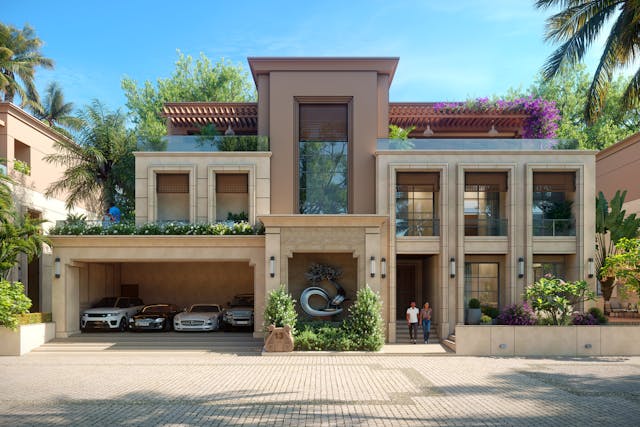
Flexible layouts help luxury homes feel relevant and usable. Buyers connect more easily when rooms support real routines rather than fixed purposes.
Technology Integration Without Overcomplication
Smart systems should simplify control rather than overwhelm users. Buyers appreciate lighting, climate, and security that operate smoothly without constant adjustment. However, overly complex systems raise concerns about maintenance. Therefore, controls should feel intuitive and reliable. Clear labeling and manuals help during inspections. Technology should support comfort quietly. In practice, simplicity often reads as quality. Reliability matters more than novelty. Straightforward systems also shorten buyer learning curves.
Preparing Outdoor Areas as Living Extensions
Outdoor areas play a strong role in buying decisions for luxury homes. As a result, patios, terraces, and landscaped areas should feel maintained and usable. Buyers imagine daily enjoyment rather than occasional events. Therefore, shade, lighting, and privacy influence perception strongly. Materials should handle weather without constant upkeep. Outdoor spaces that feel finished extend livable square footage. Clear boundaries support long-term value. Usable exteriors strengthen lifestyle appeal. Well-planned outdoor areas often tip the final decisions.
Personalization Without Limiting Buyer Imagination
Customization works best when it leaves room for interpretation. Designing tailored spaces to match personal style and preferences should rely on neutral foundations and flexible layouts. Buyers want to imagine ownership without undoing costly features. However, highly specific finishes can limit appeal. Balance keeps spaces distinctive but adaptable. As a result, flexibility encourages broader interest and stronger commitment. Neutral choices often widen the buyer pool. This approach helps buyers picture long-term comfort more easily.
Maintenance Signals and Long-Term Confidence
Well-maintained systems often matter more than visible decor. Buyers review records for roofs, HVAC, plumbing, and electrical systems early in the process. Therefore, clear documentation reduces doubt and speeds decisions. Deferred maintenance raises immediate concern. Homes that show consistent care feel safer to purchase. Transparency builds trust during negotiation. Confidence grows when upkeep feels deliberate. Trust often translates into smoother closings. Clear maintenance history also reduces inspection-related friction.
Aligning Presentation to Meet Elevated Buyer Expectations
Pricing and presentation must align with buyer expectations for the market segment. Otherwise, overstated listings create friction during showings and inspections. Understated homes, on the other hand, risk undervaluation. Accurate positioning supports credibility. Professional photography, staging, and descriptions should reflect reality. When all this aligns, you can meet elevated buyer expectations from the first contact. Consistency across channels reinforces trust. Clear positioning reduces buyer skepticism.
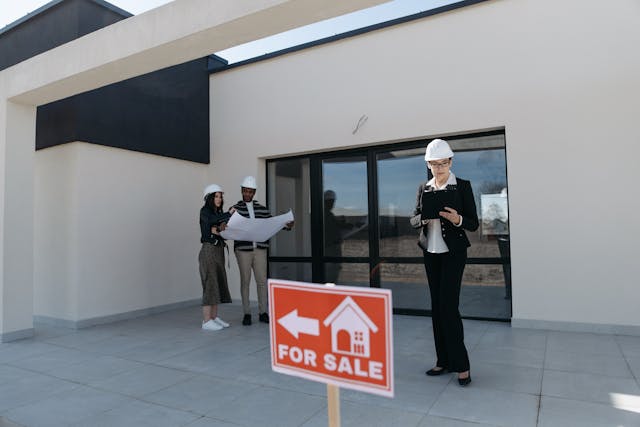
Accurate pricing and honest presentation shape buyer trust from the first interaction. When visuals and descriptions match reality, confidence builds faster and skepticism drops.
Preparing With Precision and Purpose
Luxury preparation succeeds through clarity, planning, and restraint. Therefore, sellers who focus on usability, consistency, and care help homes meet elevated buyer expectations without excess. Every improvement should support comfort, longevity, and buyer confidence. Thoughtful preparation protects value while reducing uncertainty. Buyers respond to homes that feel complete. Precision supports stronger outcomes. Well-prepared homes also stand out in crowded markets.